Couples Therapy in Seattle
RELATIONSHIP THERAPY • SEATTLE + WASHINGTON
Feeling disconnected, stuck in the same arguments, or more like roommates than partners?

I work with couples, individuals, and polycules in Seattle and across Washington who feel like something between them has gotten harder than it used to be. Maybe you’re having the same fight on repeat, sex or affection has faded, trust has taken a hit, or you just don’t feel as close anymore.
A lot of the couples I see still really love each other. They’re just tired. Tired of misunderstanding each other, tired of conversations going sideways, and tired of feeling more disconnected than they want to. Therapy is a place to slow all of that down, figure out what’s actually happening between you, and start finding your way back to each other.
Many couples tell me, “We weren’t always like this...” Somewhere between work, parenting, busy schedules, or just the everyday stress, being together started to feel harder. Maybe you stopped connecting with each other as much. Maybe small things suddenly feel loaded. Or maybe it’s just been a slow drift, and now you’re wondering how you got this far from where you used to be.

What Does It Look Like When Couples Get Stuck in the Same Conflict?
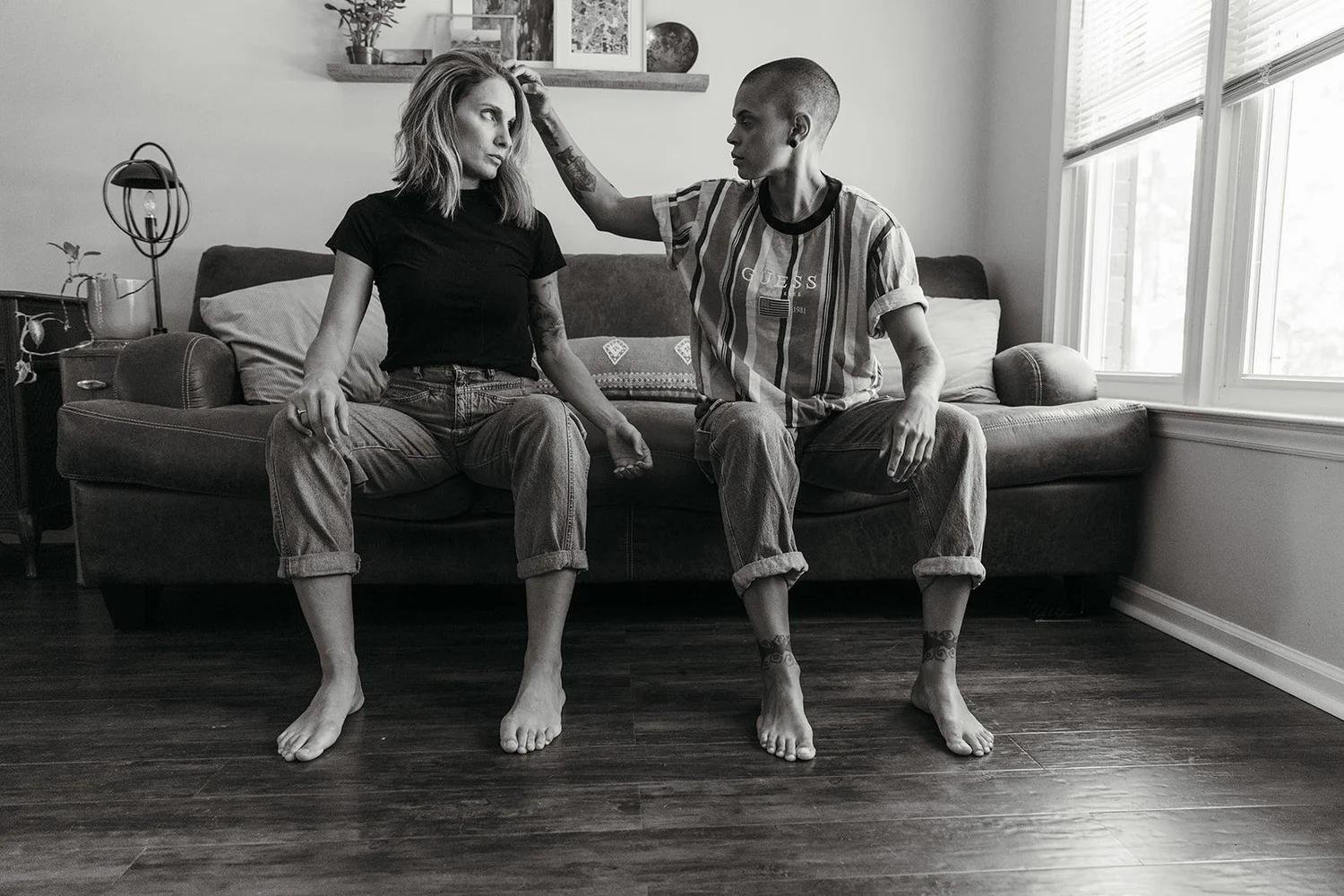
You might recognize your relationship here:
You go to bed frustrated more nights than not.
You scroll on your phones instead of talking to each other.
You keep having the same argument, just with different details.
One of you pushes for connection while the other shuts down.
You feel lonely, even though you're together.
Physical intimacy has become less frequent or feels disconnected.
You're functioning as parents or roommates more than partners.
These patterns are common, and they don’t mean your relationship is broken forever. Usually, they mean the two of you have gotten caught in a cycle that’s hard to see when you’re inside it.
Most couples don't argue because they don't care. They argue because they don't know how to reach each other anymore.
Why Do We Keep Having the Same Fight?
The argument usually isn’t just about the dishes, bedtime, money, or whose turn it is to plan date night.
Underneath it can be questions like:
Do I matter to you?
Can I count on you?
Will you understand me?
Am I important to you?
When those needs don’t feel answered, couples can get pulled into a pattern where one person reaches harder and the other gets defensive, shuts down, or pulls away.
The problem usually isn’t the topic. It’s the pattern you both get pulled into.
How Can Couples Therapy Help?
Couples therapy, sometimes searched for as marriage counseling or relationship counseling, isn’t about figuring out who’s right. It’s about helping you understand what happens between you when things go sideways…and learning new ways to respond differently when it does.
Together, we work on:
Getting out of the same argument loop
Communicating without immediately becoming defensive
Rebuilding trust
Feeling emotionally and physically closer
Repairing after conflict
Feeling like a team again
The goal isn’t to never disagree. It’s to feel connected and understood even when you do.
Healthy relationships aren’t conflict-free. They know how to find their way back to each other.

How I Help
Unlike many, my graduate training is specifically in Couples and Family Therapy, and my work with couples is informed by Emotionally Focused Therapy and Gottman Method training.
What Can We Work On In Couples Therapy?
-

Feeling like Roommates
You’re good at running a life together, but the closeness has left the building. We’ll work on rebuilding warmth, intimacy, play, and the feeling that you’re partners, not just co-managers.
-

Stuck in Conflict Loops
You keep having versions of the same fight. We’ll slow the pattern down so you can hear what’s underneath it and actually respond differently.
-
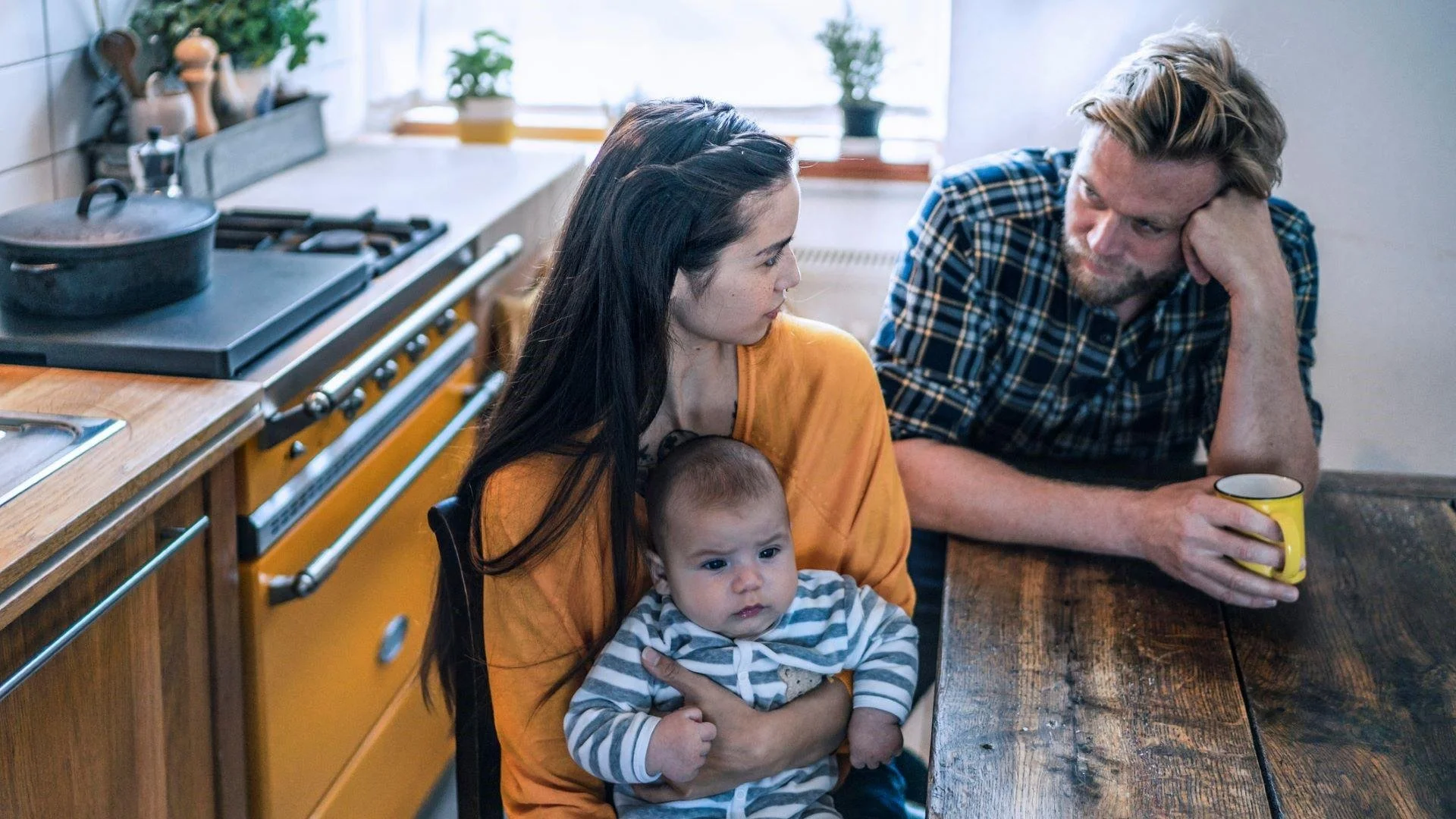
Parenting and Family Challenges
Kids can change everything about how you connect. We’ll make room for the relationship again while figuring out the stress, resentment, and mental load that can come with parenting.
-

Intimacy & Sexual Connection
Maybe desire has changed, sex feels loaded or boring, or affection has slowly disappeared all together. We can talk about it openly and work toward connection that feels comfortable, mutual, and real.
What does getting started look like?
We’ll begin with a free 15-minute video consultation to make sure the fit feels right. If we decide to move forward, our first session will focus on understanding what has been happening between you, what each of you hopes will change, and the patterns keeping you stuck.
Couples can meet for 50-minute weekly sessions or 80-minute sessions, often every other week. My Seattle office is in Belltown, convenient to South Lake Union, Downtown Seattle, Queen Anne, and surrounding neighborhoods. Sessions are available in person and virtually throughout Washington.
50 minutes: $175 | 80 minutes: $280
FAQs
How do I know if couples therapy is right for us?
Couples therapy can help if you keep having the same arguments, feel emotionally disconnected, struggle to communicate, or feel more like roommates than partners. You don't have to be in crisis or considering separation to benefit from therapy.
Can couples therapy help if we still love each other?
Of Course! Many of the couples I work with still love each other deeply, they're simply stuck in patterns that leave them feeling misunderstood, disconnected, or lonely. Therapy helps you understand those patterns and reconnect.
What kinds of relationship concerns do you help with?
I work with couples who feel disconnected, stuck in the same arguments, or more like roommates than partners. That can include communication breakdowns, recurring conflict, trust issues, changes in sex or desire, parenting stress, resentment, emotional distance, and the feeling that you’ve lost your way back to each other.
Do you offer marriage counseling or relationship counseling in Seattle?
Yes. I work with married and unmarried couples/relationships who want help with recurring conflict, emotional distance, intimacy, trust, parenting stress, and feeling more connected. Sessions are available in person in Belltown and virtually across Washington.
What happens during the first couples therapy session?
The first session is a chance for me to learn about your relationship, what's bringing you in, and what you hope will be different. We'll begin identifying the patterns that keep you stuck and discuss, together, your goals for working with me.

My practice is welcoming to people of all gender expressions, sexual orientations, and relationship styles. I work with clients across a wide spectrum of identities and experiences—including folks who are queer, kinky, or in nontraditional relationships—as well as couples who feel more conventional or who don’t center identity as a major part of how they move through the world. No matter how you identify (or don’t), you can expect to be met with openness, care, and genuine respect.